
PLUMBING GUIDE
7 Most Common Plumbing Emergencies
Learn the warning signs, the safest first steps to take and when a plumbing problem needs professional attention.
Plumbing problems rarely arrive at a convenient time. A blocked drain, damaged pipe or loss of hot water can interrupt your day and may cause additional damage if the warning signs are ignored.
Knowing what you are looking at helps you respond calmly. Here are seven common plumbing emergencies found in Long Island homes and the practical next step for each one.
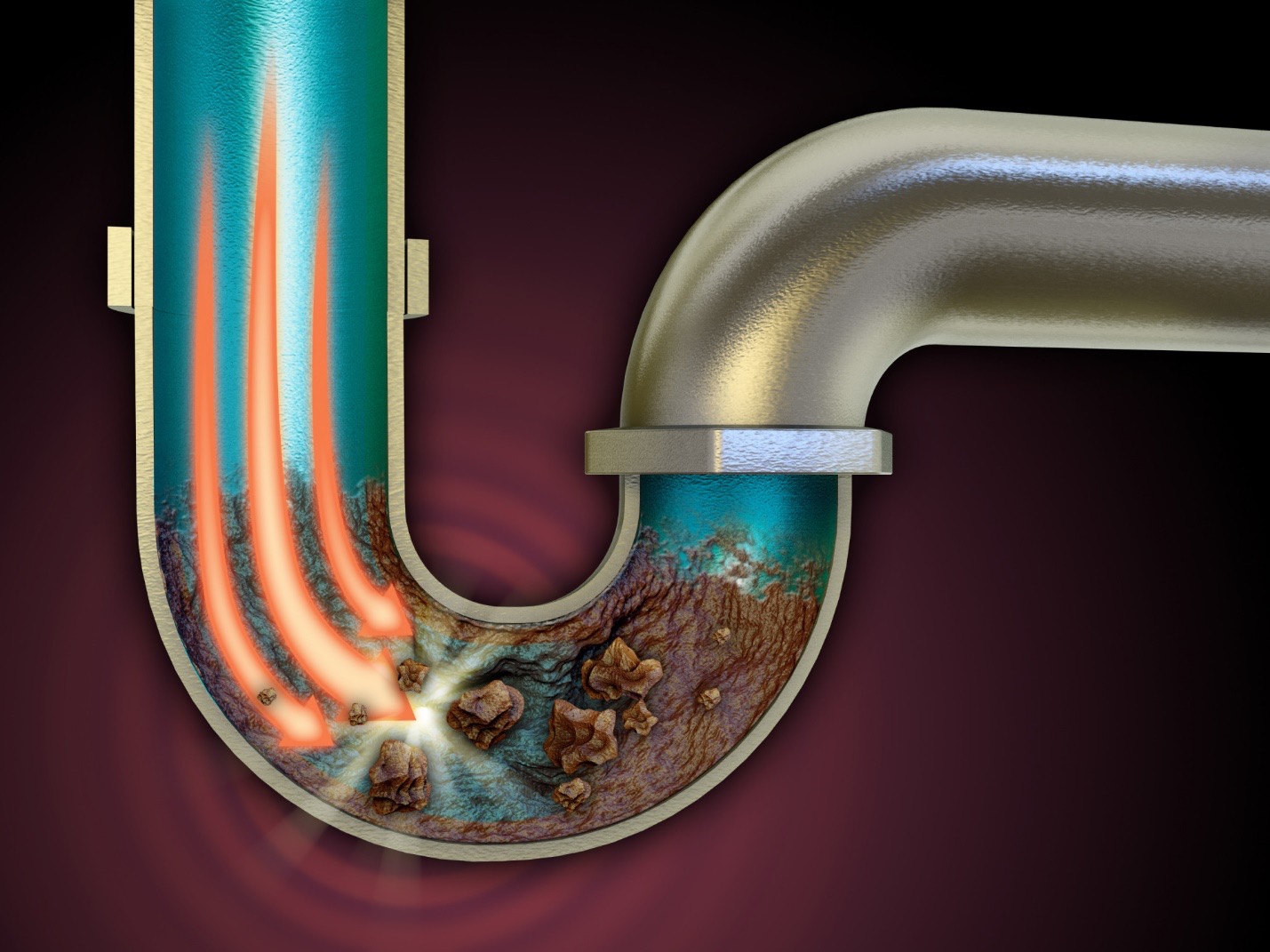
1. Clogged Sinks
A sink that drains slowly or fills while the faucet is running usually has a blockage in the drain or trap. Stop using the fixture if the water continues to rise.
You can remove debris that is clearly visible and safe to reach. Avoid forcing objects into the drain or mixing chemical cleaners. If the blockage remains, returns repeatedly or affects other fixtures, arrange a professional assessment.
2. Burst Pipes
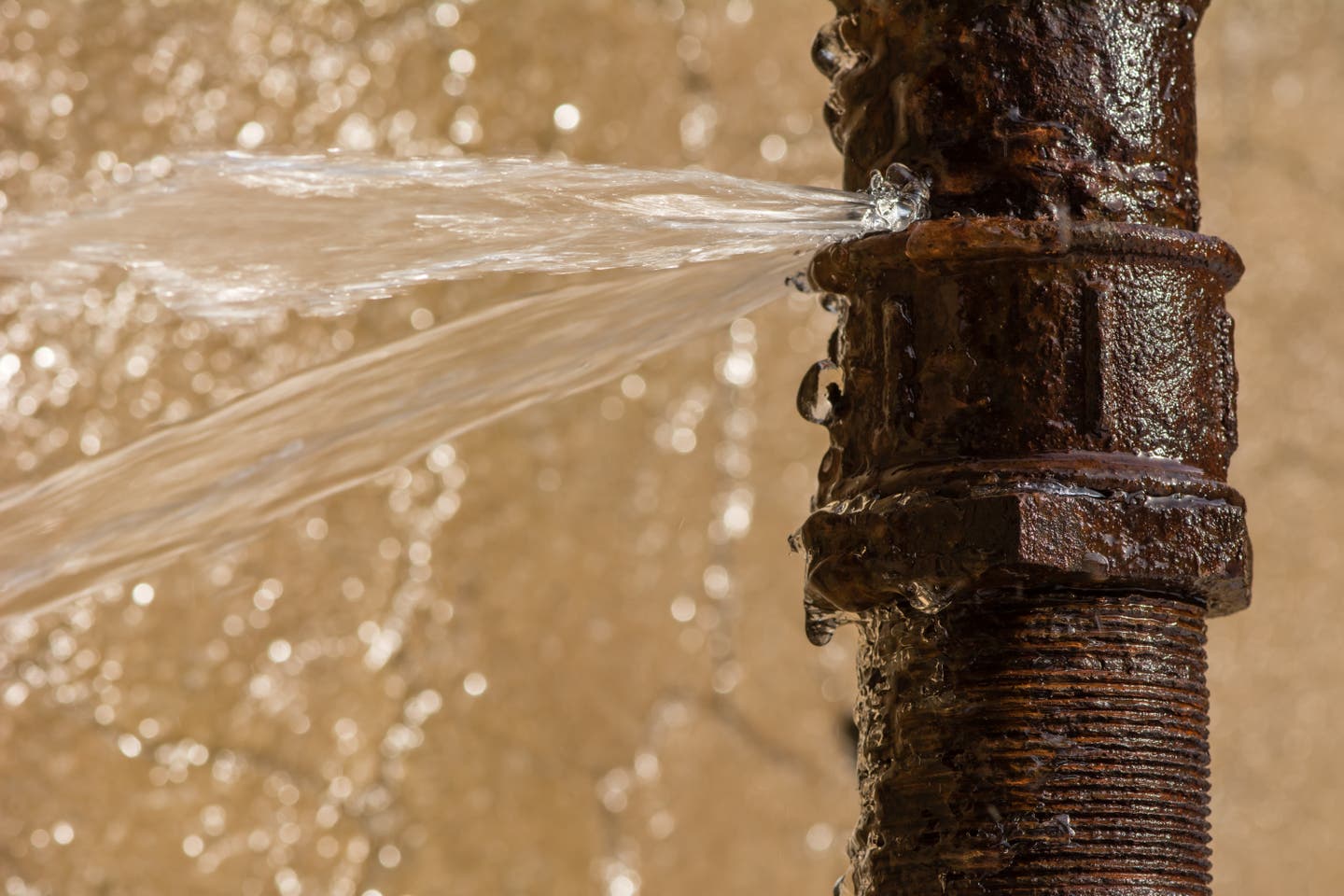
A burst pipe can release a large amount of water in a short time. Warning signs include visible spraying, water running inside a wall, a rapidly spreading wet area or a sudden drop in water pressure.
If it is safe and you know where the correct valve is, shut off the main water supply. Keep away from wet electrical equipment, move vulnerable belongings out of the area and contact a plumber promptly.
3. Leaking Water Heater
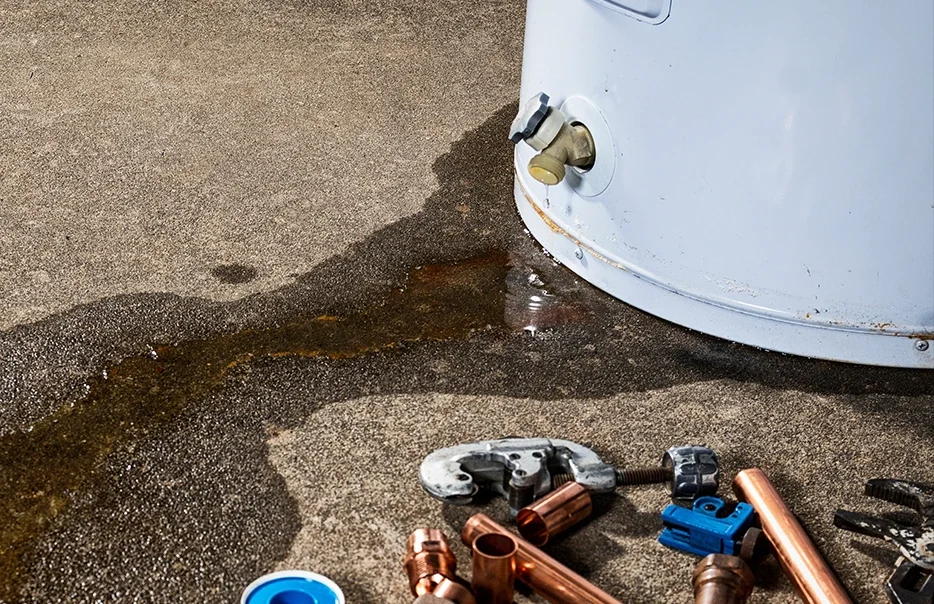
Water around a water heater may come from a connection, valve or the tank itself. Even a small leak deserves attention because it can damage nearby flooring and may become worse over time.
Do not touch wet electrical components or adjust gas connections. Stop using the equipment if conditions appear unsafe and have the source assessed. Some connection or valve problems can be repaired, while a leaking tank may require replacement.
4. Sump Pump Failure
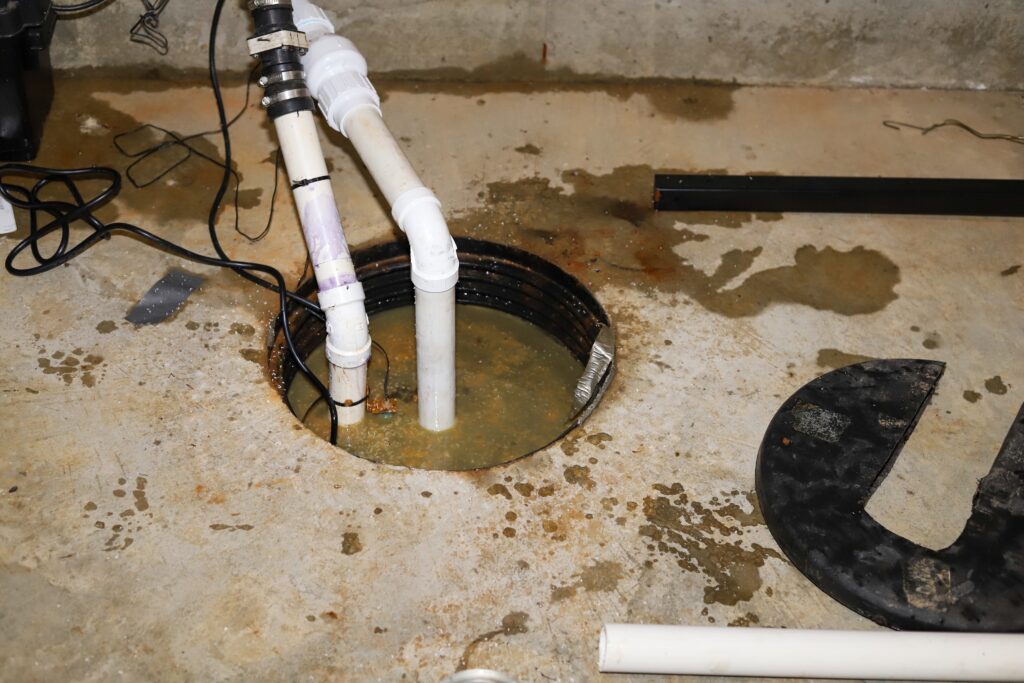
A sump pump helps move collected groundwater away from a basement or crawl space. Failure during heavy rain can allow water to rise quickly, especially when the pump is blocked, has lost power or cannot discharge properly.
Keep away from standing water near outlets, extension cords or electrical equipment. Once the area is safe, a professional can inspect the power supply, float switch, pump and discharge line.
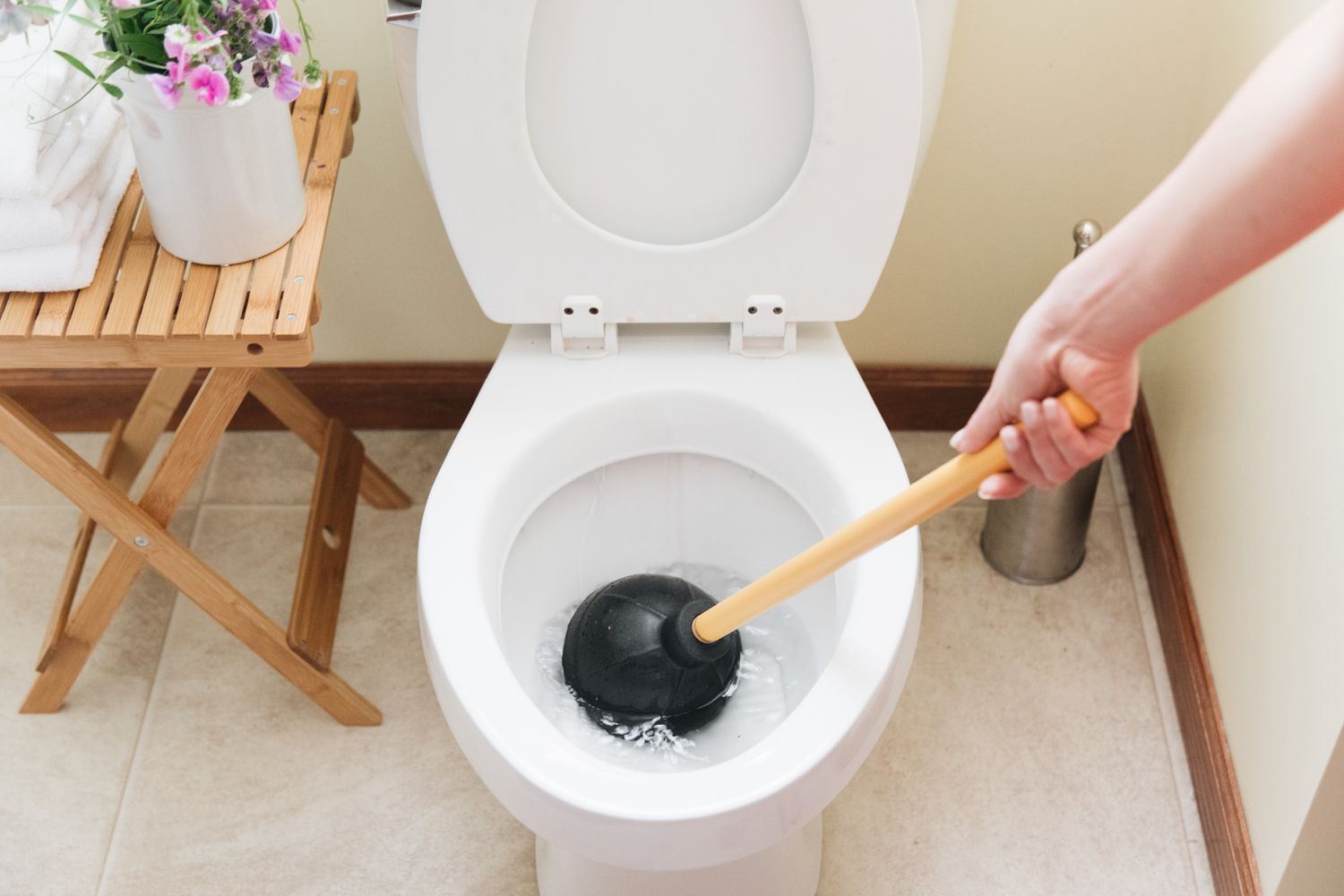
5. Clogged Toilets
If the water level rises after flushing, stop flushing and give the bowl time to settle. Repeated flushing can cause wastewater to overflow onto the bathroom floor.
A basic plunger may clear a simple obstruction. Call a plumber when the blockage persists, the toilet clogs repeatedly or several drains begin backing up at the same time, which may point to a larger drain-line problem.
6. Broken Water Line
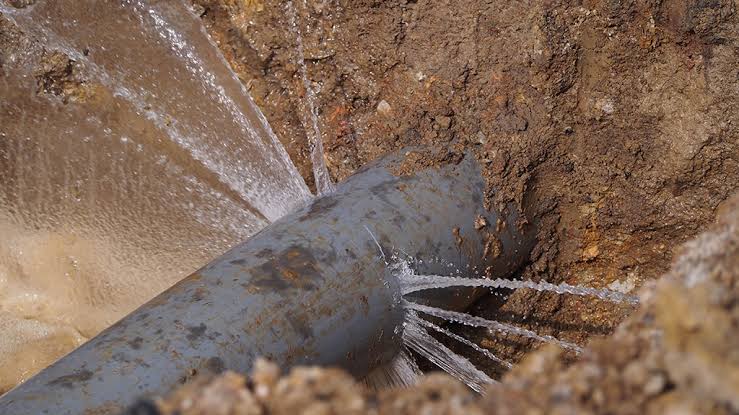
A sudden loss of water, unusually low pressure, discolored water or an unexplained wet area may indicate a damaged supply line. The problem can affect one part of the property or the entire building.
Limit water use and look for visible signs without opening walls or digging. If water is actively spreading and it is safe to do so, use the appropriate shutoff valve and contact a professional to locate the damaged section.
7. No Hot Water
First check whether the problem affects every faucet or only one fixture. When the whole property has no hot water, the cause may involve the water heater, its controls, the energy supply or sediment inside the system.
Note any warning lights, error codes, unusual noises, odors or visible leaks, but do not open the appliance or attempt electrical or gas repairs. Share those details when requesting water-heater service.
Plumbing emergencies are easier to manage when you recognize the warning signs and know where your water shutoff is located. Stop using any fixture that is overflowing, leaking or backing up, and keep people away from water near electrical equipment.
Keith Renick Plumbing & Heating serves Long Island homes and businesses. If you need help with a plumbing problem, request a free quote or call 631-225-6642.